Introduction
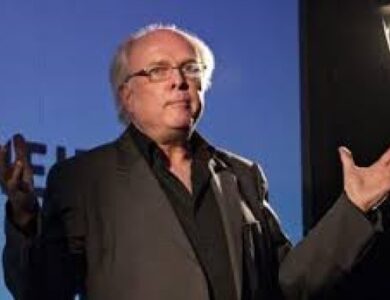
In the landscape of British political journalism, few names carry as much authority and consistency as Fraser Nelson. Known for his sharp analysis, editorial leadership, and influential voice, Nelson has played a significant role in shaping public discourse in the United Kingdom. From his early beginnings to his long-standing tenure at one of the country’s most respected publications, his journey reflects dedication, intellect, and a deep understanding of politics.
This article explores his career, personal life, education, and digital presence, offering a comprehensive and informative profile designed to meet modern search expectations.
Early Life and Background
A Modest Beginning
Fraser Nelson was born on 14 May 1973 in Truro, Cornwall. Raised in Scotland, his upbringing played a crucial role in shaping his worldview. Growing up outside the traditional centres of political power gave him a broader perspective on social and economic issues affecting everyday citizens.
Influences in Youth
From an early age, Nelson displayed a strong interest in current affairs and public policy. His curiosity about governance and economics would later become the foundation of his career in journalism.
Education
Academic Journey
Fraser Nelson pursued higher education at the prestigious University of Glasgow, where he studied History and Politics. This combination provided him with both a historical framework and a contemporary understanding of political systems.
How Education Shaped His Career
His academic background equipped him with critical thinking skills and analytical depth, which are evident in his writing today. Studying politics in a UK context allowed him to develop a nuanced perspective on government policies, ideological debates, and economic strategies.
Career Beginnings
Entry into Journalism
Nelson began his journalism career in the late 1990s at The Times, working as a business journalist. This role helped him build a strong foundation in economic reporting and sharpen his ability to interpret complex financial issues.
Rising Through the Ranks
His talent quickly became evident, leading him to roles at The Scotsman, where he served as political editor. This position marked a turning point, as it allowed him to focus more directly on political reporting and commentary.
The Spectator Era
Becoming Editor
In 2009, Fraser Nelson became the editor of The Spectator, one of Britain’s oldest and most respected political magazines. His appointment marked the beginning of a transformative era for the publication.
Editorial Impact
Under his leadership, The Spectator expanded its readership and influence. Nelson modernised the magazine while preserving its traditional voice, striking a balance that appealed to both long-time readers and a new generation.
Key Contributions
Strengthening Political Commentary
Nelson ensured that the magazine remained a leading platform for political debate. His editorial direction emphasised clarity, evidence-based arguments, and diverse viewpoints within a broadly centre-right framework.
Expanding Digital Presence
He also played a significant role in enhancing the publication’s digital reach, recognising early on the importance of online journalism.
Writing Style and Influence
A Distinct Voice
Fraser Nelson is known for his clear, concise, and analytical writing style. His ability to break down complex political issues into understandable arguments makes his work accessible to a broad audience.
Areas of Focus
His writing often covers:
Economic Policy
Nelson frequently analyses fiscal strategies, taxation, and economic reforms, offering insights into their real-world implications.
Social Issues
He addresses topics such as welfare, immigration, and public services, often highlighting the human impact behind policy decisions.
Political Strategy
His commentary provides a deeper understanding of party politics, leadership decisions, and electoral trends.
Fraser Nelson on Twitter (X)
Digital Presence
Fraser Nelson maintains an active presence on X under the handle @FraserNelson. His account serves as an extension of his journalistic work.
What He Shares
On social media, he regularly posts:
Political Commentary
Quick insights and reactions to breaking political developments.
Article Highlights
Links and summaries of his latest columns and editorial pieces.
Public Engagement
He engages with readers, policymakers, and fellow journalists, contributing to ongoing discussions.
Influence on Public Debate
His Twitter presence amplifies his influence, allowing him to reach audiences beyond traditional media platforms. It also provides a real-time channel for commentary, making his voice relevant in fast-moving news cycles.
Personal Life
Fraser Nelson’s Wife
Fraser Nelson is married, though he keeps his personal life deliberately private. Unlike many public figures, he has chosen not to disclose detailed information about his wife, reflecting a preference for separating professional visibility from family life.
Family and Lifestyle
He and his wife have three children. Despite his high-profile career, Nelson maintains a relatively low-key personal life, focusing on family and professional responsibilities.
Achievements and Recognition
Awards and Honours
Fraser Nelson has received multiple accolades throughout his career, including recognition as a leading political columnist. His work has been praised for its clarity, depth, and impact on public discourse.
Industry Respect
He is widely regarded as one of the most influential journalists in the UK. His opinions are frequently cited in political discussions, and his editorial decisions have shaped national conversations.
Leadership and Editorial Philosophy
Commitment to Debate
Nelson believes in fostering open and balanced debate. As an editor, he has encouraged a variety of perspectives, ensuring that discussions remain dynamic and thought-provoking.
Upholding Journalistic Standards
He has consistently emphasised accuracy, fairness, and intellectual honesty. These principles have helped maintain the credibility and reputation of the publications he has led.
Challenges and Criticism
Navigating Political Bias
As a prominent voice associated with centre-right views, Nelson has faced criticism from those who disagree with his perspectives. However, he has remained committed to presenting arguments supported by evidence and reasoning.
Adapting to Media Changes
The media landscape has evolved significantly during his career, with digital platforms reshaping how news is consumed. Nelson has successfully adapted, ensuring his work remains relevant in a rapidly changing environment.
Legacy and Future Outlook
Lasting Impact
Fraser Nelson’s influence extends beyond his articles and editorials. He has helped shape the direction of political journalism in the UK, setting standards for analysis and commentary.
Continued Relevance
Even after stepping down from his editorial role at The Spectator, his voice continues to carry weight. Through columns, media appearances, and social media engagement, he remains a key figure in political discourse.
Conclusion
Fraser Nelson stands as a defining figure in modern British journalism. His journey from a young student of history and politics to a leading editor and commentator highlights the power of informed analysis and clear communication.
With a strong educational foundation from the University of Glasgow, a successful editorial career, and an influential presence on Twitter, Nelson has built a legacy that continues to shape political conversations in the UK.