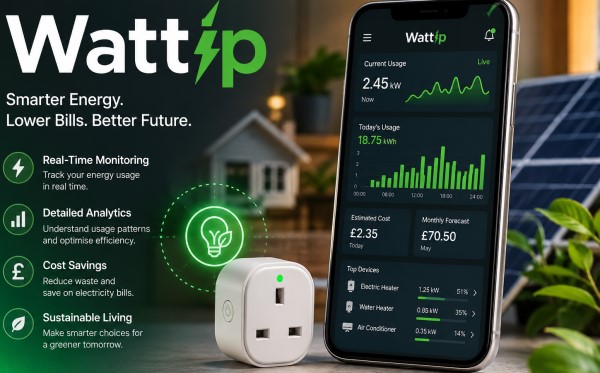

As energy costs continue to rise and sustainability becomes a growing concern worldwide, innovative solutions are emerging to help people gain better control over their energy consumption. One name that has started attracting attention in this space is Wattip. Although still developing its presence in the market, Wattip is increasingly being associated with smart energy monitoring, real-time analytics, and digital efficiency tools designed to help users understand and optimise their energy usage.
Whether you are a homeowner looking to reduce monthly electricity bills or a business aiming to improve operational efficiency, understanding what Wattip offers can provide valuable insights into the future of energy management. This article explores Wattip, its features, potential benefits, applications, and why it is becoming a topic of interest among technology and sustainability enthusiasts.
What Is Wattip?
Wattip is commonly described as a digital platform focused on energy monitoring and management. Its primary objective is to help users track energy consumption in real time, identify inefficiencies, and make informed decisions that lead to lower energy costs and improved sustainability.
The growing demand for smart technologies has created opportunities for platforms like Wattip to bridge the gap between energy consumption and data-driven decision-making. By providing users with detailed information about how energy is used, Wattip aims to make energy management simpler and more accessible.
While many traditional energy systems only provide monthly usage summaries, modern solutions such as Wattip focus on delivering immediate insights that enable users to take action before waste becomes costly.
Why Energy Monitoring Matters Today
Energy monitoring has become increasingly important in both residential and commercial settings. Rising utility prices, environmental concerns, and the widespread adoption of smart devices have encouraged consumers to pay closer attention to their energy habits.
Rising Energy Costs
Electricity prices have increased in many parts of the world, placing pressure on households and businesses alike. Monitoring consumption helps identify unnecessary energy usage and opportunities for savings.
Environmental Responsibility
Reducing energy waste contributes to lower carbon emissions. Consumers are becoming more conscious of their environmental impact and are actively seeking tools that support sustainable living.
Smart Home Growth
The popularity of smart homes has created demand for integrated platforms that can monitor and control energy usage across multiple connected devices.
Wattip fits naturally into these trends by providing users with the information they need to make smarter energy decisions.
Key Features of Wattip
One of the main reasons Wattip has generated interest is its focus on practical and user-friendly energy management features.
Real-Time Energy Tracking
Real-time monitoring allows users to see exactly how much energy they are consuming at any given moment. This immediate visibility can help identify high-consumption appliances and inefficient usage patterns.
For example, users may discover that certain devices consume more electricity than expected, enabling them to adjust their habits accordingly.
Detailed Usage Analytics
Data is only useful when it can be understood. Wattip aims to present energy information through clear dashboards, reports, and visual representations.
These analytics can help users:
- Track daily energy consumption
- Compare usage across different time periods
- Identify peak consumption hours
- Monitor long-term trends
Such insights empower users to make informed decisions about energy usage.
Cost Monitoring
Understanding energy consumption is important, but understanding its financial impact is equally valuable.
Wattip may provide estimates of energy costs based on current consumption patterns, helping users see how their habits affect monthly bills. This feature can be particularly useful for businesses managing operational expenses.
Smart Device Integration
Modern energy platforms often integrate with smart devices and connected home systems. This capability enables users to monitor multiple devices from a single interface.
Integration creates a more comprehensive view of energy usage and supports automated energy-saving actions.
Alerts and Notifications
Automated alerts can notify users when unusual energy consumption patterns occur. These notifications may help identify:
- Faulty appliances
- Excessive electricity use
- Potential maintenance issues
- Unexpected increases in consumption
Early detection can prevent unnecessary costs and improve efficiency.
Benefits of Using Wattip
The appeal of Wattip lies in the practical benefits it can offer to a wide range of users.
Reduced Energy Bills
One of the most immediate advantages is the potential to lower electricity expenses. By identifying wasteful habits and inefficient equipment, users can take corrective action that leads to measurable savings.
Better Decision-Making
Access to detailed energy data allows users to make informed decisions rather than relying on assumptions. This data-driven approach often produces better outcomes and greater efficiency.
Increased Sustainability
Reducing energy consumption supports environmental goals. Businesses can strengthen their sustainability initiatives, while households can reduce their ecological footprint.
Improved Equipment Performance
Monitoring systems may reveal when appliances or machinery are operating inefficiently. Addressing these issues early can extend equipment lifespan and reduce maintenance costs.
Greater Awareness
Many people are surprised when they discover how much energy certain activities consume. Wattip helps increase awareness, encouraging more responsible energy behaviour.
How Businesses Can Benefit from Wattip
Businesses often face significant energy expenses, making efficiency improvements particularly valuable.
Operational Cost Reduction
Energy is a major operational expense for many organisations. Even small efficiency improvements can result in substantial annual savings.
Performance Monitoring
Wattip may help businesses monitor equipment performance and identify processes that consume excessive energy.
Sustainability Reporting
Environmental responsibility has become an important aspect of corporate reputation. Energy monitoring data can support sustainability reporting and environmental initiatives.
Facility Management
Managers can use consumption data to optimise building operations and ensure resources are being used effectively.
Wattip and Smart Homes
The smart home industry continues to expand rapidly, with consumers increasingly adopting connected devices.
Centralised Control
A platform such as Wattip can provide a single location for monitoring multiple smart devices and energy systems.
Automated Energy Savings
Smart integrations may allow automated actions, such as adjusting heating, cooling, or lighting based on usage patterns.
Convenience and Accessibility
Users can often access energy information remotely through mobile devices, enabling greater control and convenience.
Challenges and Considerations
While Wattip offers promising possibilities, there are factors users should consider before adopting any energy management platform.
Data Accuracy
The effectiveness of any monitoring system depends on the quality and accuracy of the data collected.
Compatibility
Users should ensure that the platform is compatible with their existing devices and infrastructure.
Learning Curve
Although designed to be user-friendly, some users may require time to understand energy analytics and reporting tools.
Privacy and Security
As with any digital platform, protecting user data is important. Consumers should review privacy practices and security measures before sharing sensitive information.
The Future of Wattip
The future appears promising for energy management technologies. As artificial intelligence, machine learning, and smart automation continue to evolve, platforms like Wattip may become increasingly sophisticated.
Future developments could include:
Predictive Analytics
Advanced algorithms may predict future energy usage and recommend actions before problems occur.
Enhanced Automation
Greater automation could allow systems to optimise energy consumption without requiring manual intervention.
Renewable Energy Integration
As solar panels and renewable energy systems become more common, Wattip may support more comprehensive energy management across multiple energy sources.
Expanded Smart Ecosystems
Future integrations could connect energy management with broader smart home and smart business ecosystems.
Why Wattip Is Gaining Attention
The growing interest in Wattip reflects broader trends in technology and sustainability. Consumers and organisations alike are searching for practical solutions that reduce costs while supporting environmental goals.
By combining real-time monitoring, detailed analytics, and smart technology integration, Wattip represents a modern approach to energy management. Its focus on actionable insights aligns with the increasing demand for data-driven decision-making in both homes and businesses.
Conclusion
Wattip is emerging as a noteworthy name in the evolving world of energy monitoring and digital efficiency. As energy costs continue to rise and sustainability becomes a priority, solutions that provide greater visibility into consumption patterns are becoming increasingly valuable.
Through features such as real-time tracking, detailed analytics, cost monitoring, and smart device integration, Wattip has the potential to help users make smarter energy decisions. Whether used by homeowners seeking lower utility bills or businesses pursuing operational efficiency, the platform reflects the growing importance of intelligent energy management in the modern world.
As technology continues to advance, Wattip could play an increasingly significant role in helping individuals and organisations optimise energy usage, reduce waste, and build a more sustainable future.