Introduction
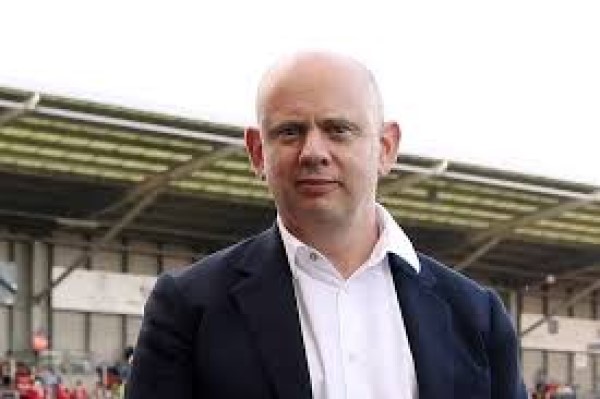
Patrick Stewart’s appointment as Chief Executive Officer of Rangers F.C. marked a significant moment in the modern evolution of one of Scotland’s most historic football clubs. As the football landscape continues to shift towards stronger governance, commercial growth and global competitiveness, Stewart’s arrival has been viewed as a strategic move to stabilise and strengthen the club’s long-term direction.
Although not a former player, Patrick Stewart brings decades of legal, commercial and executive experience from elite football administration. His career trajectory, particularly his long tenure at Manchester United, has shaped him into a respected figure in football governance.
This article explores Patrick Stewart’s role at Rangers, his background, leadership approach, responsibilities, and what his appointment means for the future of the club.
Who is Patrick Stewart?
Patrick Stewart is a British football executive and qualified lawyer who has spent most of his professional life working in senior administrative roles within elite football clubs.
Before joining Rangers F.C., he built a strong reputation at Manchester United F.C., where he spent approximately 18 years in various legal, operational and executive positions. His career progression at United included responsibilities in commercial negotiations, governance structures, player contracts, and broader football operations.
In December 2024, he was appointed Chief Executive Officer of Rangers F.C., one of Scotland’s most decorated and globally recognised football institutions.
Early Career and Professional Background
Patrick Stewart’s professional foundation is rooted in law. He initially trained and worked as a solicitor, gaining expertise in legal frameworks, contractual negotiations and corporate governance.
This legal background became a key asset when he transitioned into football administration. Clubs increasingly required executives who understood not only the sporting side but also the complex financial and legal structures surrounding modern football.
His early experience provided him with:
- Strong legal negotiation skills
- Understanding of corporate governance
- Exposure to high-value commercial contracts
- Strategic thinking in regulated environments
These competencies helped him secure a role at Manchester United in 2006.
Career at Manchester United
Stewart’s long tenure at Manchester United was instrumental in shaping his executive profile. Over nearly two decades, he progressed through several senior roles, including legal counsel and executive leadership positions.
Key Responsibilities at Manchester United
During his time at Old Trafford, Stewart was involved in:
- Player contract negotiations
- Commercial partnership agreements
- Regulatory compliance and governance
- Strategic planning across football operations
- Supporting board-level decision making
He also contributed to the development of the club’s women’s football structure and wider footballing operations.
His time at Manchester United gave him exposure to one of the most commercially successful clubs in world football, where global branding, media rights and sporting performance must align.
Appointment as CEO of Rangers F.C.
In late 2024, Patrick Stewart was appointed Chief Executive Officer of Rangers F.C., succeeding previous leadership during a period of transition for the club.
His arrival was widely interpreted as a move towards strengthening the executive structure of the club and improving long-term stability.
At Rangers, Stewart is responsible for overseeing both football and business operations, ensuring that the club remains competitive domestically in the Scottish Premiership and in European competitions.
Role and Responsibilities at Rangers
As CEO, Stewart holds one of the most influential positions within the club’s hierarchy.
Strategic Leadership
He is responsible for shaping the overall strategic direction of the club, including:
- Long-term financial planning
- Sporting infrastructure development
- Commercial expansion
- Global branding strategy
Football Operations Oversight
While not involved in coaching decisions, Stewart works closely with the sporting director and management team to ensure alignment between business goals and football performance.
Commercial Growth
A key focus of his role is increasing revenue streams through:
- Sponsorship deals
- Matchday income strategies
- International partnerships
- Merchandise expansion
Governance and Compliance
Stewart also ensures the club operates within financial regulations and governance frameworks set by domestic and European football authorities.
Leadership Style and Philosophy
Patrick Stewart is widely regarded as a structured, detail-oriented executive with a strong legal and governance mindset.
Analytical and Process-Driven
He focuses on systems, processes and long-term planning rather than short-term reactions.
Collaborative
Stewart is known for working closely with board members, technical staff and commercial teams to align objectives.
Stability-Focused
His background suggests a preference for sustainable growth rather than high-risk decision-making.
Challenges Facing Patrick Stewart at Rangers
Taking charge of a major football club like Rangers comes with significant challenges.
Competitive Pressure in Scottish Football
Rangers operate in a highly competitive domestic environment, particularly in rivalry with Celtic. Maintaining consistency in league performance is a constant priority.
Financial Sustainability
Modern football requires careful balancing of spending, revenue generation and regulatory compliance. Stewart must ensure financial stability while supporting sporting ambition.
European Performance
Success in European competitions is both a financial and reputational goal. Improving consistency on the continental stage remains a key objective.
Squad Development and Recruitment
Although not directly responsible for transfers, Stewart oversees the structures that support recruitment strategy and long-term squad planning.
Patrick Stewart’s Vision for Rangers
While detailed public statements have been limited, Stewart’s approach suggests a focus on long-term institutional growth.
Key pillars of his vision include:
- Strengthening the club’s commercial footprint
- Improving operational efficiency
- Supporting sustainable football success
- Enhancing global brand recognition
- Building a stable leadership structure
His experience at Manchester United suggests he understands the importance of combining sporting success with commercial power.
Age, Height and Personal Details
Unlike players or public-facing managers, Patrick Stewart’s personal physical details such as age and height are not publicly documented in official club profiles.
This is common for senior executives in football, where focus is placed on professional background rather than personal statistics.
What is known is that he is an experienced professional with decades of legal and executive work in football administration.
Importance of His Appointment
Stewart’s appointment represents a broader trend in football: the increasing importance of corporate leadership in club success.
Modern clubs require CEOs who can:
- Navigate financial regulations
- Manage global commercial partnerships
- Oversee complex organisations
- Support elite sporting environments
Rangers’ decision to appoint him reflects a desire to strengthen off-field structures to support on-field ambitions.
Relationship with SPFL and Wider Scottish Football
Beyond his role at Rangers, Stewart has also been involved in broader football governance discussions in Scotland.
He has been associated with administrative responsibilities that connect club leadership with league-wide decision-making frameworks. This includes collaboration with the Scottish Professional Football League on governance and operational matters.
Future Outlook
Patrick Stewart’s success at Rangers will largely be measured by:
- Financial growth and stability
- Domestic title competitiveness
- European progress
- Infrastructure and organisational improvements
- Long-term strategic planning execution
His background suggests a steady, structured approach rather than rapid transformation. However, expectations remain high given Rangers’ stature and ambitions.
Conclusion
Patrick Stewart’s role at Rangers F.C. represents a modern football leadership model built on governance, commercial expertise and strategic planning. With a strong legal background and extensive experience at Manchester United, he arrives at Ibrox equipped to guide the club through a complex and competitive football environment.
While still early in his tenure, his influence is expected to be felt in the club’s structure, stability and long-term vision. For Rangers supporters, his appointment signals a continued focus on building a sustainable future while striving for success on both domestic and European stages.