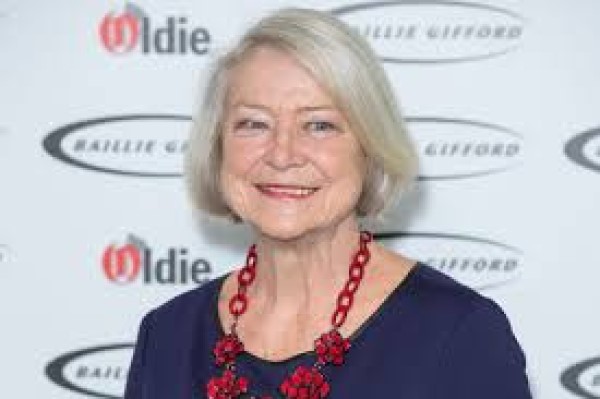
Kate Adie: The Fearless Voice of War Journalism and Her Remarkable Life Behind the Camera

Introduction: Who is Kate Adie?
Kate Adie is one of Britain’s most respected and pioneering journalists, widely recognised for her fearless reporting from some of the world’s most dangerous conflict zones. Her name became synonymous with frontline journalism during the late 20th century, when she delivered live reports under fire and brought global crises directly into people’s living rooms.
Best known as the BBC’s Chief News Correspondent from 1989 to 2003, Kate Adie built a reputation for calm, clear and courageous reporting in situations where few journalists, especially women, were present. Her career helped redefine modern war reporting and opened doors for generations of female journalists who followed her path.
Early Life and Background of Kate Adie
Childhood and Education
Kate Adie was born on 19 September 1945 in North Shields, England. She grew up in a modest household and spent her early years in Sunderland after being adopted as a baby. Her upbringing was stable, and she showed strong academic ability from an early age.
She studied at the University of Newcastle upon Tyne, where she developed an interest in language and communication. This academic foundation later helped shape her precise and authoritative style of reporting.
Entry into Journalism
Kate Adie did not initially set out to become a war correspondent. She joined local radio before moving into television journalism, where her talent for clear communication and composure under pressure quickly stood out.
Her big break came when she joined the BBC, where she gradually rose through the ranks, eventually becoming one of the organisation’s most trusted reporters.
Rise to Fame at the BBC
The Iranian Embassy Siege
Kate Adie became a household name in 1980 during the Iranian Embassy siege in London. She reported live from the scene as armed police stormed the building. Her calm and steady delivery, even while danger unfolded around her, left a lasting impression on viewers.
This moment marked a turning point in her career and established her as a leading figure in British journalism.
Becoming Chief News Correspondent
In 1989, Kate Adie was appointed BBC Chief News Correspondent. This position placed her at the forefront of international reporting during a period of major global conflict and political change.
She covered major world events including wars, political uprisings and humanitarian crises. Her assignments often took her to dangerous locations where she reported directly from the front lines.
War Reporting and Global Coverage
Major Conflicts Covered
Kate Adie reported from several major conflict zones, including:
- The Gulf War
- The Yugoslav Wars
- The Rwandan genocide
- The Tiananmen Square protests
- Conflicts in Sierra Leone
Her reporting style was grounded in observation, clarity and emotional restraint. She focused on facts rather than sensationalism, which helped her maintain credibility in high-pressure environments.
Injuries and Risks in the Field
Working in war zones came with significant danger. Kate Adie was once injured during the Tiananmen Square protests when she was caught in crossfire. Despite such risks, she continued reporting, demonstrating exceptional resilience and commitment to journalism.
Her willingness to remain in dangerous environments set her apart and highlighted the physical and emotional demands of frontline reporting.
Personal Life of Kate Adie
Does Kate Adie Have a Partner?
Kate Adie has always kept her personal life extremely private. There is no publicly confirmed partner, and she has never spoken openly about being in a long-term relationship. She is widely understood to be single.
Marriage and Family
Kate Adie has never married. She also does not have any children. She has occasionally spoken about how her demanding career influenced her personal life, suggesting that her work often took priority over traditional family life.
Despite this, she has expressed no regret and remains focused on her professional achievements and contributions to journalism.
Privacy and Lifestyle
Unlike many public figures, Kate Adie has consistently avoided publicity around her private affairs. She rarely appears in celebrity media and prefers a quiet, low-profile lifestyle outside her professional engagements.
Health and Public Rumours
Has Kate Adie Had a Stroke?
There is no verified evidence or reliable public record indicating that Kate Adie has suffered a stroke. Over the years, various rumours have circulated online, but none have been confirmed by credible sources.
While she has faced physical danger during her reporting career, there is no known major long-term health condition publicly associated with her.
H3: Current Health Status
As of recent public appearances and interviews, Kate Adie appears to be in stable health for her age. She continues to participate in broadcasting work and public speaking engagements.
Later Career and Achievements
Life After BBC Chief Correspondent Role
Kate Adie stepped down as Chief News Correspondent in 2003 but did not retire from journalism entirely. She continued to work on radio, particularly with BBC Radio 4’s programme From Our Own Correspondent, where journalists share personal accounts of global events.
Her voice remains associated with thoughtful, reflective reporting rather than live battlefield coverage.
Author and Broadcaster
In addition to journalism, Kate Adie has written several books. These include memoirs and reflections on her career, offering insight into the challenges of reporting from conflict zones and the evolution of modern journalism.
Her writing is known for its honesty, detail and personal perspective on historic global events.
Awards and Recognition
Honours and Achievements
Kate Adie has received numerous awards for her contribution to journalism, including:
- Officer of the Order of the British Empire (OBE)
- Commander of the Order of the British Empire (CBE)
- BAFTA recognition for outstanding journalism
These honours reflect her impact on both British media and international reporting standards.
Influence on Journalism
Her influence extends beyond awards. Kate Adie helped shape modern war reporting, particularly by proving that women could report effectively from conflict zones traditionally dominated by men.
She inspired a generation of journalists to pursue frontline reporting with professionalism and courage.
Legacy of Kate Adie
A Pioneer in War Journalism
Kate Adie’s legacy is defined by bravery, professionalism and integrity. She helped transform the role of the foreign correspondent and brought a human perspective to global conflict reporting.
Inspiring Future Journalists
Her career continues to inspire aspiring journalists around the world. She is often cited as a role model for those interested in international reporting, particularly women entering the field of investigative and war journalism.
Lasting Impact on Media
Kate Adie’s reporting style influenced how news organisations cover conflict today. Her focus on factual clarity, combined with calm delivery in dangerous situations, set a standard that remains relevant in modern journalism.
Conclusion
Kate Adie stands as one of the most influential British journalists of her time. From her early beginnings in local broadcasting to her role as BBC Chief News Correspondent, she built a career defined by courage, discipline and professionalism.
Her work in conflict zones brought global attention to some of the most important historical events of the late 20th century. Despite leading a highly public professional life, she has maintained a private personal life, choosing to remain away from the spotlight outside her journalism.
Today, Kate Adie is remembered not only for the stories she told but also for the barriers she broke. Her legacy continues to shape journalism, proving that truth-telling in the most dangerous places is both vital and powerful.